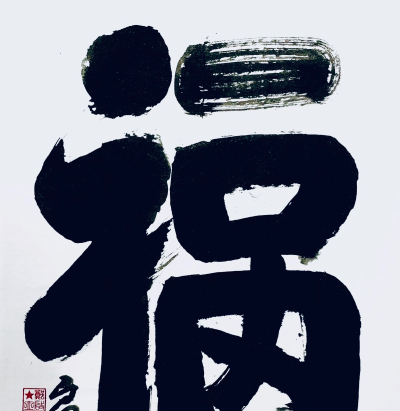
#冬至吃餃子還是湯圓#
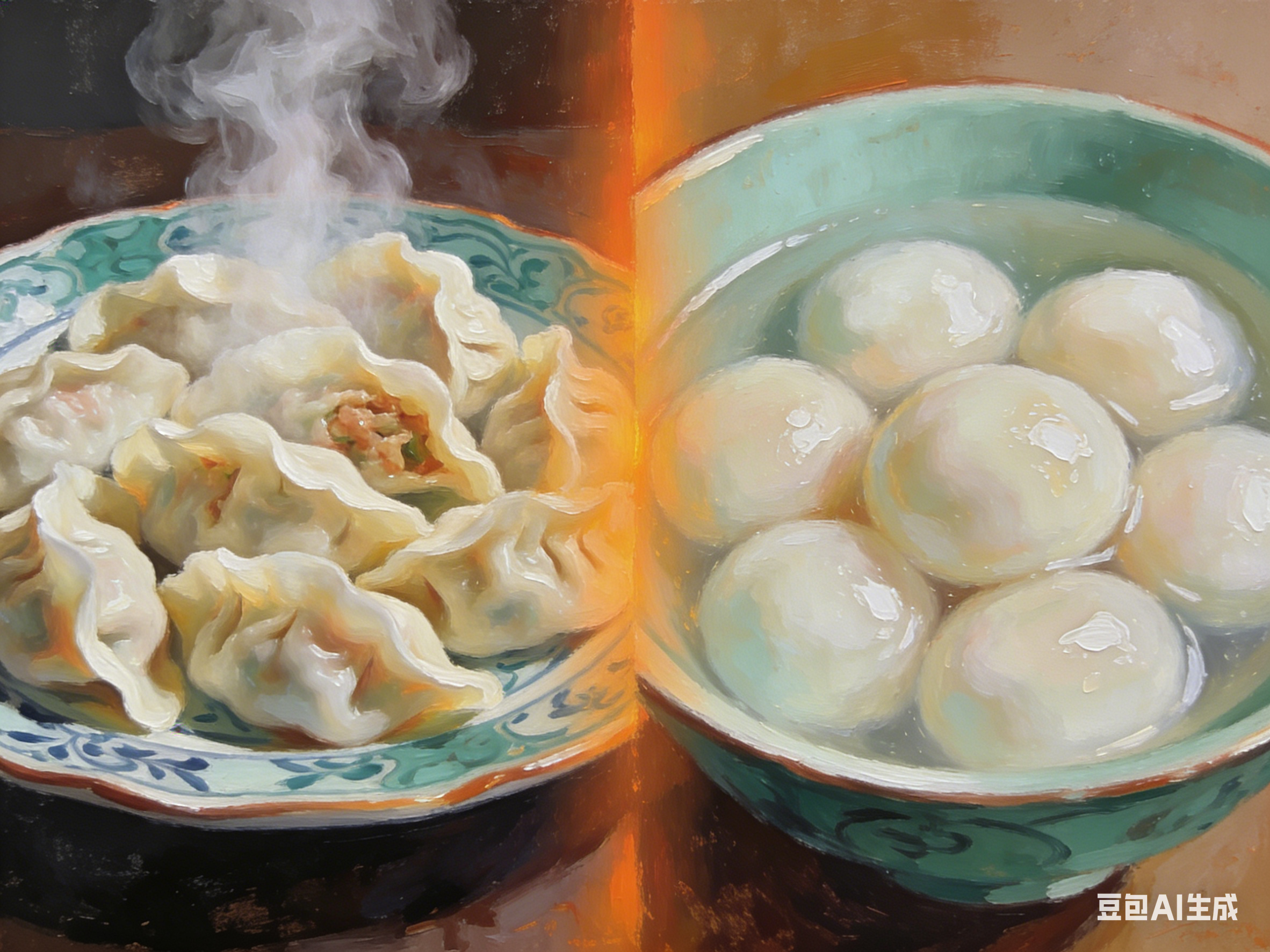
Jiaozi or Tangyuan, that is a question.
冬至在古人眼中,并非嚴寒的終結,而是陽氣始生的起點,是一個充滿希望的轉折日。《漢書》有云:“冬至陽氣起,君道長,故賀。”古人認為,冬至后,代表光明的“陽氣”逐漸滋長,值得慶賀。
冬至大如年。在這個重要的節點,中華大地上演著“千里不同俗,滋味各溫暖”的食俗畫卷。
在北方,“冬至不端餃子碗,凍掉耳朵沒人管” 的諺語深入人心。餃子,形似古代的元寶,更似人耳。在一年中最漫長的寒夜里,一家人圍坐,親手搟皮、調餡、包裹,再將元寶般的餃子投入滾水。蒸汽氤氳中,吃下的不僅是驅寒飽腹的美食,更是團聚的溫暖與來年富足的祈愿。
而在江南乃至更廣的南方,“圓” 是冬至夜的主角。湯圓、年糕、糯米飯,無不取意“團圓”、“圓滿”、“年年高升”。一顆顆軟糯的湯圓在糖水中浮沉,吃在嘴里,甜上心頭,象征著家庭和睦、生活甜美。
無論是北方的餃還是南方的圓,舌尖上的差異,最終都匯向同一種情感:在歲暮天寒中,與家人相依,用食物的溫熱,點亮對春日與未來的期盼。
_________________________________________________
英文版: A Tale of Two Traditions: North vs. South
The Winter Solstice marks the shortest day and longest night in the Northern Hemisphere. This day has long been celebrated as a harbinger of renewal.
To celebrate, families gather for symbolic meals. In north China, people eat Jiaozi (dumplings), whose shape resembles ancient silver ingots or, tellingly, ears. The saying goes, “If you don't eat dumplings on the Solstice, your ears will freeze off.” It's a ritual of warmth and a wish for prosperity.
In the south, the focus is on Tangyuan (sweet glutinous rice balls). Their round shape symbolizes family reunion, completeness, and a life of sweetness.
Whether it's the savory bite of a dumpling or the sweet softness of a rice ball, the core meaning is the same: family reunion and against the winter cold.
#2025頂端人氣創作者 ##英語學習##非遺##民俗文化傳承#?