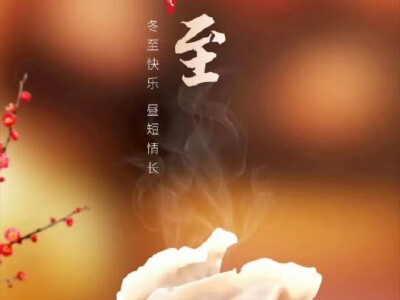
冬至吃餃子是中國北方的習(xí)俗,但是,你知道餃子的來歷嗎?你知道怎么用英語講餃子的故事嗎?
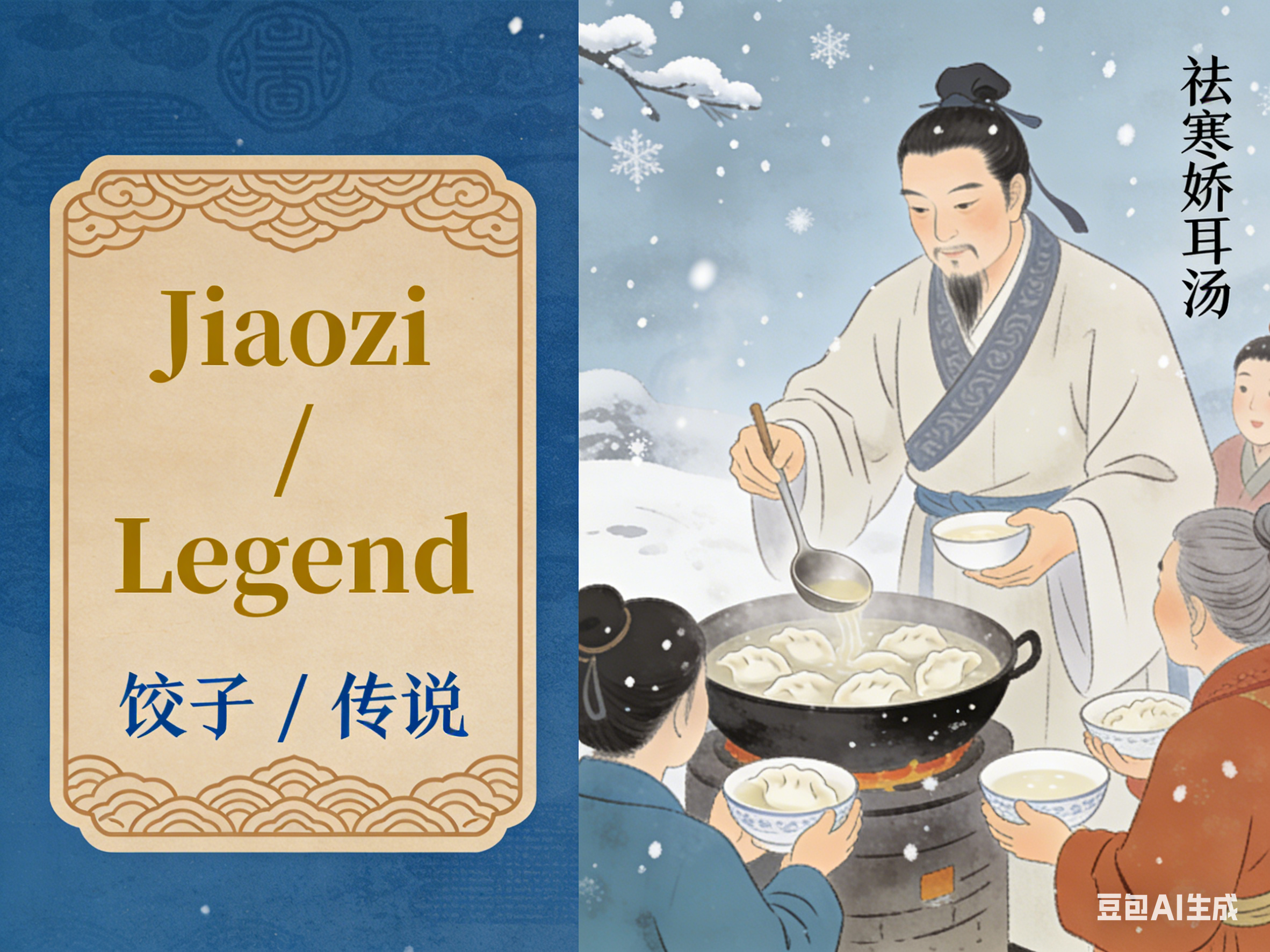
如今尋常的餃子,其起源卻與一位偉大醫(yī)者的仁心緊緊相連。這個(gè)傳說,為冬至的餐桌增添了一份濟(jì)世救人的暖意。
相傳東漢末年,名醫(yī)張仲景告老還鄉(xiāng)時(shí),正值寒冬,見南陽百姓饑寒交迫,許多人耳朵都生了凍瘡,痛苦不堪。
醫(yī)者仁心,他于心不忍,便令弟子搭起醫(yī)棚,支起大鍋,將羊肉、辣椒和一些驅(qū)寒藥材放在鍋里熬煮,撈出切碎后用面皮包成耳朵形狀的“嬌耳”。再將這些“嬌耳”下鍋煮熟,連湯分給乞藥的百姓。
一碗“祛寒嬌耳湯”下肚,百姓渾身發(fā)熱,血液通暢,凍傷的耳朵也漸漸好轉(zhuǎn)。為了紀(jì)念張仲景的恩情,后人便模仿“嬌耳”的樣子制作食物,在冬至和寒冷時(shí)節(jié)食用,稱之為“餃子”或“扁食”。
這個(gè)故事,讓餃子超越了食物本身,成為智慧、仁愛與創(chuàng)新的文化符號(hào)。它告訴我們,最好的溫暖,不僅關(guān)乎身體,更關(guān)乎心靈。
——————————————————
英文版:The Legend Behind the Dumpling
The tradition of eating jiaozi is deeply rooted in a legend of compassion. During the cold Eastern Han Dynasty, the renowned physician Zhang Zhongjing saw the poor suffering from frostbitten ears. Moved to help, he cooked a mutton broth with healing herbs, wrapped the ingredients in dough shaped like ears (“jiao'er”), and distributed this "Cold-Expelling Jiao'er Soup.”
The hearty soup warmed people, improved circulation, and healed their ears. In gratitude, people began making and eating “jiao'er,” which evolved into today's jiaozi. Thus, a simple dish carries a legacy of medical ingenuity and profound kindness.
#2025頂端人氣創(chuàng)作者 ##冬至吃餃子還是湯圓##英語四六級(jí)##英語教學(xué)##英語學(xué)習(xí)##文化河南#
關(guān)注我,跟英語趙博士一起,用地道英語講好中國故事。